
"seasonal production"
9000 article(s) found

Introduction to Yunnan Coffee 86+ Project Yunnan 86+ Project washing Katim Xiaoyega Coffee Flavor characteristics
Professional coffee knowledge exchange more coffee bean information please follow the coffee workshop (Wechat official account cafe_style) 2017-2018 production season, is the first season of 86 + plan. After two seasons of in-depth understanding of Yunnan producing areas, as well as a whole year of gestation preparation, we with apprehension and expectation of the mood, carefully started the 86+ plan attempt. we

Introduction to the Flavor description characteristics of Ethiopian Coffee Sidamo Chiso Coffee
Due to the large difference between latitude span and altitude, Ethiopia is located in the tropics, but the temperature is uneven in different places. The heavy rainy season is from June to September, the dry season is from October to January, and the light rainy season is from February to May. Due to uneven rainfall in different seasons and regions, local drought is easy to occur. The temperature ranges from 9.7 ℃ to 25.5 ℃. The annual average temperature was 16 ℃ in December 1994, and the Ethiopian Union was formulated.

18 production season Ethiopia rinses Yega Xuefei Lemon Flower G1 introduction _ how to drink Yega Sheffei Lemon
Professional coffee knowledge exchange more coffee bean information please follow the coffee workshop (Wechat official account cafe_style) Ethiopian Coffee-Yega Xuefei lemon flower is a stable quality, excellent flavor and cost-effective washed G1 Yega Xuefei, its raw bean defect rate is less than 1%, and the raw bean stage has a spice-like pretaste, its most acclaimed lemon, jasmine and honey

Southern part of Malaba Coffee production area, a coffee variety from Rwanda
Malaba Coffee grows in southern Rwanda, about 12 kilometers (7 miles) from the city of Butare and 150 kilometers (93 miles) from the capital, Gejali. The plan began in the Malaba area of Butare province, but was taken over by a local government organization in 2006, which is now part of the Huye district of the southern province. Due to its proximity to the East African Rift Valley and the Neuenway Forest Mountains, the terrain
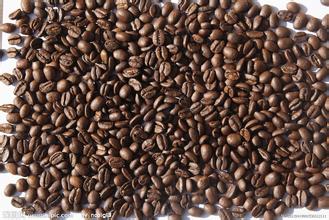
Introduction of Katim Coffee Variety characteristics of Coffee production area treatment Manor
There are two native species under Arabica Arabica: iron pickup Typica | bourbon Bourbon, another gene mutant: Kenya SL28, SL34 | geisha Geisha, etc., as well as Arabica intraspecific hybrids (such as the popular Pacamara), and Arabica and Robusta hybrids, all listed

Colombian micro-batch Quintina Maka Colombian Coffee Fine Coffee
Professional coffee knowledge exchange more coffee bean information please follow the coffee workshop (Wechat official account cafe_style) it is said that coffee was introduced by missionaries from Venezuela in 1730 and was grown in the southeast of the country. Later, due to civil war and political reasons, it gradually moved to the western mountainous areas. In the ideal planting environment of high altitude and volcanic soil, coffee produced in Colombia has been beautiful since the 1940s.

Katim Coffee Taste and Flavor description introduction of Variety production area treatment method
Description of taste and flavor of katim coffee Typica: the oldest native variety in Ethiopia and southeastern Sudan, all Arabica are derived from Tibika. The flavor is elegant, but the physique is weak, the disease resistance is poor, the fruit yield is less. Excellent ones such as Jamaica Blue Mountain, Sumatra Manning, Hawaii Kona, etc.
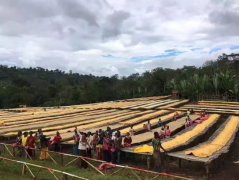
Humbera Sakuran, the boutique coffee producing area of Humbera Coffee, the New pre-season Coffee in 2021
Ethiopian Sidamo Shakisso Natural Sakui 01 | Humbera Hambela village-level treatment plant is located in Guji, Guji District. In recent years, Humbera has grown rapidly in terms of quantity and quality, and has obtained organic certification. The water washing and sun-drying batches of coffee produced have the characteristics of good cleanliness. Humbera treatment Plant is operated by METAD Agricultural Company, and METAD was founded at
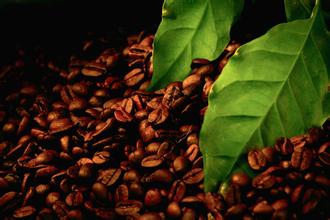
Geo-climatic production process of coffee in Rwanda
Maraba Coffee, the geographic and climatic editor, is grown in southern Rwanda, about 12km (7 miles) from the city of Butare and 150km (93 miles) from the capital, Gejali. The plan began in the Malaba area of Butare province, but was taken over by a local government organization in 2006, which is now part of the Huye district of the southern province. Due to its proximity to the East African Rift Valley and Neuenweisen,
Geo-climatic production process of coffee in Rwanda
Malaba Coffee grows in southern Rwanda, about 12 kilometers (7 miles) from the city of Butare and 150 kilometers (93 miles) from the capital, Gejali. The plan began in the Malaba area of Butare province, but was taken over by a local government organization in 2006, which is now part of the Huye district of the southern province. Due to its proximity to the East African Rift Valley and the Neuenway Forest Mountains, this area has many topography.

Natural Environmental conditions for growing Coffee: an introduction
The ideal environmental conditions for planting Arabica coffee trees are as follows:

Kenya AA | introduction to Longyedo Cooperative in Kirin Yajia producing area (Kirinyaga)
Kenya Kirin Yajia (Kirinyaga) Longyedo Cooperative altitude: 1700-2000 m varieties: SL28, SL34 treatment: washing flavor: raisins, blackcurrants, blueberries, vanilla, fruit juice taste. The Longyedo Farmers' Cooperative (Rungeto Farmers Co-operative Society) is located on the southern slope of Mount Kenya and has three washing plants. Longyedo (Runget)

Raw beans Wholesale Price Coffee roasting Columbia Huila Micro batch microlot
The natural geographical environment of the Colombian Andes, a new product of coffee, the unique pozzolanic soil of the region and carefully cultivated and refined artificial processing have created the outstanding performance of this bean in the cup: the strong aroma and personality is an ingenious blend of fresh acidity, almonds and cocoa aromas that stimulate taste buds like grapes. the bright acidity in the sweet tone of the entrance is elegant and bright, mellow.

Description of Rwandan Coffee Flavor introduction to the production area of grinding degree of fine coffee beans
The biggest harvest season for Rwandan coffee is during the main rainy season, from March to the end of May. During the harvest season, farmers spend most of their day picking coffee fruits by hand. In the afternoon, farmers carry coffee fruits in traditional baskets made of banana leaves to a cleaning station a few hours away. The mechanic uses his hands to make the best quality coffee with crimson color.

Start the group like crazy! Huakui 39.9, Yunnan 19.9 half pound free delivery! 29.9 hanging ear combination, Flower Butterfly
"is Qianjie crazy? Here we go again, yes!

A brief introduction to the market price of spicy and unrestrained Kenyan boutique coffee beans
Large coffee processing farms in Kenya usually have independent processing facilities. A large number of small farmers usually pick ripe coffee fruits by hand. Coffee picking is a labor-intensive job that requires the whole family to deploy and even hire workers during the harvest season. The fresh fruits of the picked coffee need to be promptly transported to the cooperative-owned coffee processing plant for pulping and transportation.
Colombia Huilan micro-batch boutique coffee producing area San Augustine Castillo Catura
The natural geographical environment of the Colombian Andes, a new product of coffee, the unique pozzolanic soil of the region and carefully cultivated and refined artificial processing have created the outstanding performance of this bean in the cup: the strong aroma and personality is an ingenious blend of fresh acidity, almonds and cocoa aromas that stimulate taste buds like grapes. the bright acidity in the sweet tone of the entrance is elegant and bright, mellow.

A brief introduction to the flavor, taste and aroma characteristics of delicious Kenyan boutique coffee beans
Almost all Kenyan coffee is sold through the coffee exchange in Nairobi, the capital. Coffee auctions are held at coffee exchanges every Tuesday during the harvest season. Traders with trading qualifications will get raw bean samples in advance, and after the cup test, they will choose the raw beans they like. In the following auction, the highest bidder will get. The coffee auction system in Kenya is considered

A brief introduction to the Origin, Development, History and Culture of delicious Kenyan Fine Coffee beans
Almost all Kenyan coffee is sold through the coffee exchange in Nairobi, the capital. Coffee auctions are held at coffee exchanges every Tuesday during the harvest season. Traders with trading qualifications will get raw bean samples in advance, and after the cup test, they will choose the raw beans they like. In the following auction, the highest bidder will get. The coffee auction system in Kenya is considered

Introduction to the flavor and taste of coffee bean production area of Ethiopian water washing Guji water wind chime G1
Professional coffee knowledge exchange more coffee bean information please follow the coffee workshop (Wechat official account cafe_style) Ethiopia washed Gucci water wind chimes G1 19gam01 batches (2019 new season) Ethiopia Guji Washed Bishala G1 19prime 01 batches (2019 new season) (30KG colorful small sacks with plastic inner bags) country Ethiopia (Ethiopia)